How to Make a Damascus Blade

How to Make
a Damascus Blade
Making
iron metal Damascus has a simple development, but it needs continuous care and
attention. Still, the timing process is. This is necessary to ensure that both
the desires of aesthetics and blade improvement are effective, systematic.
Mix
the ingredients in the crucible. These ingredients include glass and leaves
that are known to prevent fluid.
Heat
waste for anointing ingredients together.
When
the crucible has reached its cooling point, safely remove the iron sleeves and
then burn them in the heat required to install it.
Steel
iron while it was hot. This section includes the "table" described
above. After metallic metal, use the iron to rearrange again. Repeat this cycle
as necessary to write the edges and edit the leg.
Once
the last situation is reached, we have cut the blade and hand manually the last
details.
Drive
away heavy burdens of blade from the blade face.
Insert
grooves and digestive shafts in a wide range as required or required.
Repeat.
The hammer struck again. Polish to set the form near the blade.
Merge
the acid and acid face to improve the pattern.
When
you're done, the acid is well clean from the blade face.
Damascus Knives
Damascus
knives come various types for any purpose of purpose from tents and survival to
wood and hunting. Combinations combined to make a Dutch knife depend on the
type of brand and context that is expected and / or intended to be used. Other
common types are listed below:
·
Hunting knives
·
Serrated knives
·
Carving knives
·
Flip-flop knives
·
Rigging knives
·
Tactile folding knives
·
Tactile fixed blades
The best thing in any kind of Damascus
is that, by design, it endures any oppression that is put on it. It is not just
a powerful Damascus knife but also a long-lasting.
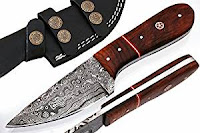
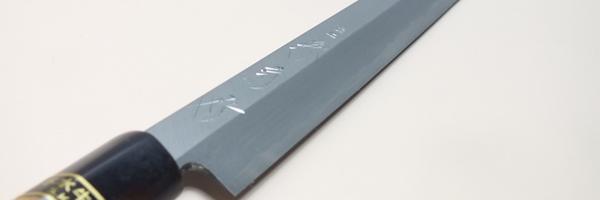
Below are some good examples of
Damascus blades I have come across. Most of the top brand production such as
Spyderco, Benchmade, Kershaw and others have released limited editions in
Damascus recently.
Comments
Post a Comment